Introduction to Digital Marketing
What is Digital Marketing?
In today’s digital age, the internet has become an essential part of our daily lives. People use search engines, social media, websites, emails, and mobile apps to find information, shop online, and connect with businesses. As a result, companies have shifted their focus from traditional advertising to online promotion. This modern approach is known as digital marketing.
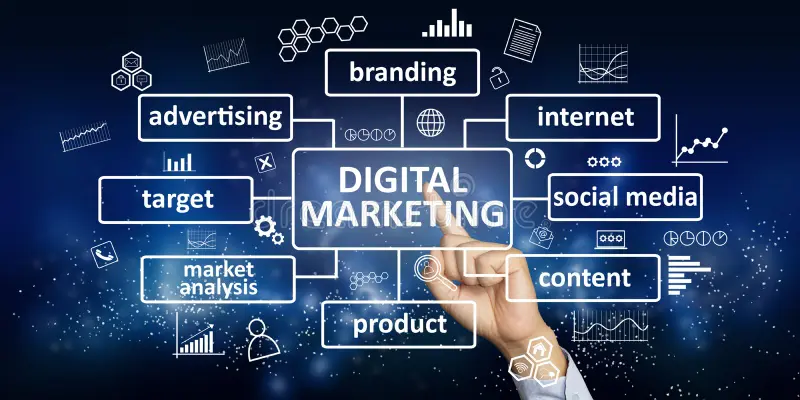
Digital marketing is the process of promoting products, services, or brands through digital channels such as search engines, social media platforms, email, websites, and mobile applications. Its primary goal is to reach the right audience, build brand awareness, generate leads, and increase sales using internet-based technologies.
Why is Digital Marketing Important?
Digital marketing has transformed the way businesses communicate with customers. Unlike traditional marketing methods such as newspapers, television, and billboards, digital marketing allows businesses to reach a global audience quickly and at a lower cost.
Some key reasons why digital marketing is important include:
-
- It helps businesses reach customers worldwide.
-
- It is more affordable than traditional marketing.
-
- Campaign results can be measured in real time.
-
- Businesses can target specific audiences based on age, location, interests, and behavior.
-
- It improves customer engagement through social media and email.
Types of Digital Marketinghttps://join.didm.in/digital-marketing-course?gad_source=1&gad_campaignid=24078766444&gbraid=0AAAAA9l66-VMTSnA8NgxugxgfLmvxPRBZ&gclid=CjwKCAjwqJXUBhBNEiwA8BgG7hOwBEARs3dOFFpr5WgZg_46bNj7qdl_eyT05HSdEN-RrmHId3M-0RoCjX4QAvD_BwE
Digital marketing consists of several strategies, each serving a different purpose.
1. Search Engine Optimization (SEO)
SEO is the process of improving a website’s visibility on search engines like Google. The goal is to rank higher in search results and attract organic (free) traffic.
Example:
If someone searches for “best smartphones under ₹20,000”, websites that are optimized for SEO appear at the top of the search results.
2. Content Marketing
Content marketing focuses on creating valuable and informative content to attract and engage customers.
Common types of content include:
-
- Blog posts
-
- Articles
-
- Videos
-
- Infographics
-
- E-books
-
- Case studies
Example:
A fitness company publishes blogs about healthy eating and workout tips to attract potential customers.
3. Social Media Marketing (SMM)
Social media marketing involves promoting products and services through platforms such as:
-
- X (Twitter)
-
- YouTube
Businesses use social media to build relationships with customers, increase brand awareness, and drive website traffic.
4. Search Engine Marketing (SEM)
SEM refers to paid advertising on search engines using platforms like Google Ads.
Businesses pay to display advertisements when users search for relevant keywords.
Example:
A shoe store runs Google Ads targeting the keyword “buy sports shoes online.”
5. Email Marketing
Email marketing involves sending promotional emails, newsletters, and updates to customers.
It helps businesses:
-
- Build customer relationships
-
- Promote offers
-
- Increase repeat purchases
-
- Share company updates
6. Affiliate Marketing
Affiliate marketing is a performance-based marketing strategy where affiliates earn a commission by promoting another company’s products.
Example:
A blogger shares an affiliate link for a laptop and earns a commission whenever someone purchases through that link.
7. Influencer Marketing
Businesses collaborate with influencers who have large online audiences to promote products and services.
Example:
A beauty brand partners with a popular YouTube creator to review its skincare products.
Benefits of Digital Marketing
Digital marketing offers numerous advantages.
Cost-Effective
Small businesses can advertise with limited budgets.
Global Reach
Businesses can connect with customers across different countries.
Targeted Advertising
Ads can be shown to users based on demographics, interests, and online behavior.
Better Customer Engagement
Businesses can communicate directly with customers through social media, emails, and live chats.
Measurable Results
Tools like Google Analytics provide detailed reports about website visitors and campaign performance.
Higher Return on Investment (ROI)
Well-planned campaigns often deliver better results compared to traditional advertising.
Popular Digital Marketing Tools
Professionals use various tools to improve marketing performance.
Some popular tools include:
-
- Google Analytics
-
- Google Search Console
-
- Google Ads
-
- Canva
-
- WordPress
-
- SEMrush
-
- Ahrefs
-
- Mailchimp
-
- HubSpot
-
- Meta Ads Manager
Skills Required for Digital Marketing
To become a successful digital marketer, you should develop skills such as:
-
- SEO
-
- Content Writing
-
- Social Media Management
-
- Google Ads
-
- Email Marketing
-
- Data Analysis
-
- Copywriting
-
- Communication Skills
-
- Creativity
-
- Basic Graphic Design
Career Opportunities in Digital Marketing
Digital marketing offers a wide range of career options.
Popular job roles include:
-
- Digital Marketing Executive
-
- SEO Specialist
-
- Social Media Manager
-
- Content Writer
-
- PPC Specialist
-
- Email Marketing Executive
-
- Digital Marketing Analyst
-
- Content Strategist
-
- Marketing Manager
-
- Freelance Digital Marketer
- Next Topic for full explain https://digitok.xyz/wp-admin/post.php?post=13&action=edit